
QFM047: Engineering Leadership Reading List - December 2024
 Source: Photo by Ross Findon on Unsplash
The December edition of the Engineering Leadership Reading List begins with The 6 Mistakes You’re Going to Make as a New Manager, a practical guide to navigating the transition from individual contributor to management. It explores how new managers often struggle with delegation and redefining their measures of success, emphasising empowerment and balanced team engagement. A complementary perspective can be found in Egoless Engineering, which examines how humility and collaboration break down silos, creating environments where teams thrive across boundaries.
Reflecting on leadership effectiveness, Study: Intuitive introverts lead the most successful teams challenges traditional leadership archetypes. The research highlights how introverted, intuitive leaders excel in complex team environments, underscoring the value of introspection and deep understanding in fostering team success.
AI continues to play a big role in reshaping technical and managerial practices. In The End of Front-End Development, Josh Comeau reassures developers concerned about AI’s impact, arguing that while tools evolve, the demand for skilled developers persists (watch out for the click-bait-y headline, the article is actually making the opposite point). This theme is echoed in Being Human in the Age of AI, which contemplates how human identity is defined in a world increasingly influenced by intelligent systems, focusing on experiences and connections as the essence of humanity.
The intersection of leadership and technology emerges in The Slow Death of the Hands-on Engineering Manager, which examines the diminishing technical involvement of engineering managers. By highlighting how small technical contributions—such as creating internal tools—can sustain technical relevance, the article offers a roadmap for balancing managerial responsibilities with impact.
From ‘Great Resignation’ to ‘Great Detachment’ explores the shift in the US job market from employee empowerment to employer advantage. For a contrasting perspective on individual agency within professional environments, How to Grow Professional Relationships presents the TJS Collaboration Model, encouraging readers to assess and nurture synergistic relationships, with a focus on trust and abundance.
Finally, Estimating How Much It Costs to Run Greenfield Systems provides a ten-step guide for predicting cloud operational costs in greenfield projects, while The Smartest Person in the Room recounts a personal journey of professional growth, emphasising the value of continuous learning, mentorship, and shared knowledge within the engineering community.
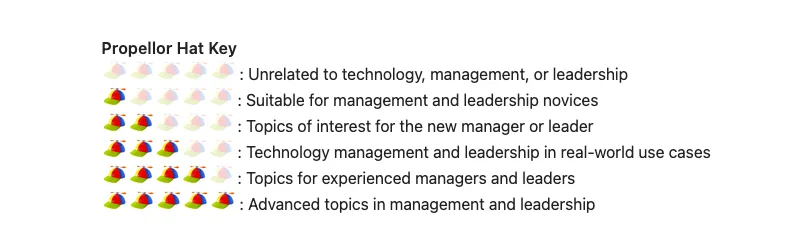
As always, the Quantum Fax Machine Propellor Hat Key will guide your browsing. Enjoy!
Links
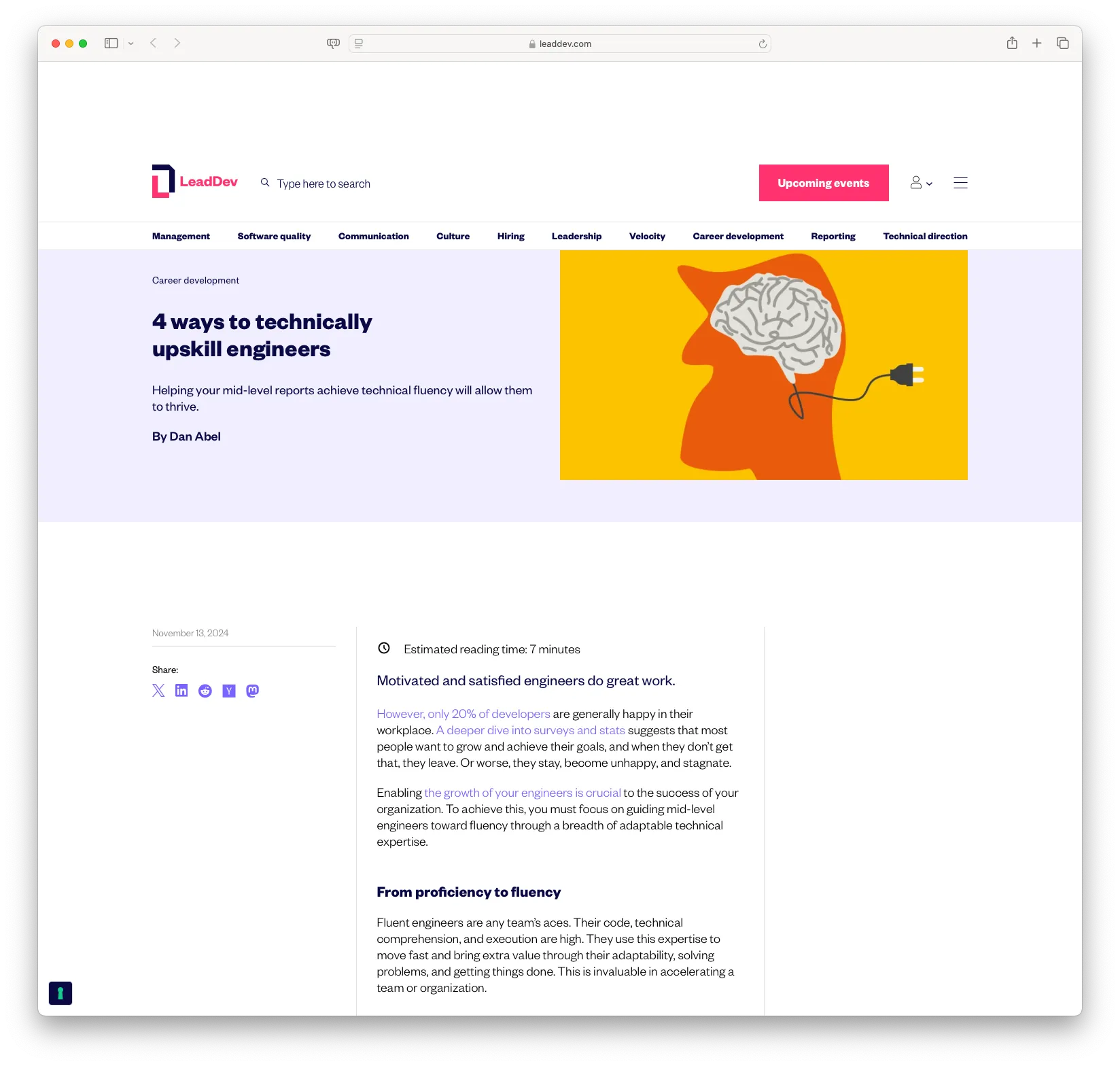
The article emphasizes the importance of developing technical fluency among mid-level engineers to boost their performance and motivation. It outlines a four-step approach to guide managers and engineers in enhancing technical skills: creating skill ladders, encouraging self-directed learning, fostering reflection and practice, and promoting ownership and growth mindsets. By implementing these strategies, managers can help engineers transition from proficiency to fluency, ultimately benefiting their organizations.

David Weiss emphasizes the value of 1:1 meetings between peers, highlighting four main benefits. These meetings help boost leadership skills, provide a platform for technical support, address team issues, and facilitate personal connections among team members. By fostering these interactions, individuals gain insights that transcend typical team dynamics, improving both personal and professional growth.

Wes Kao’s article delves into the complexities of providing feedback to senior leaders effectively without jeopardizing one's job. It explores the challenge of addressing leaders' behavior that impedes desired outcomes, while emphasizing the importance of being respectful and strategic. Kao outlines approach strategies, including using diplomatic language, leveraging data, and self-reflection, to ensure constructive feedback is well-received and initiates positive change.

In "The Power of Anti-Goals," Andrew Wilkinson explores a contrarian approach to productivity by focusing on what he wishes to avoid in his daily routine rather than what he aims to achieve. Instead of setting goals based on desires, he and his business partner created 'Anti-Goals' to eliminate negative experiences like long meetings and dealings with untrustworthy people, enhancing their work-life balance. This inversion strategy, inspired by Charlie Munger’s principle of addressing problems in reverse, led them to prioritize avoiding undesired tasks as a means to design more enjoyable workdays. This unique approach offers a simple yet powerful method to enhance personal and professional satisfaction.
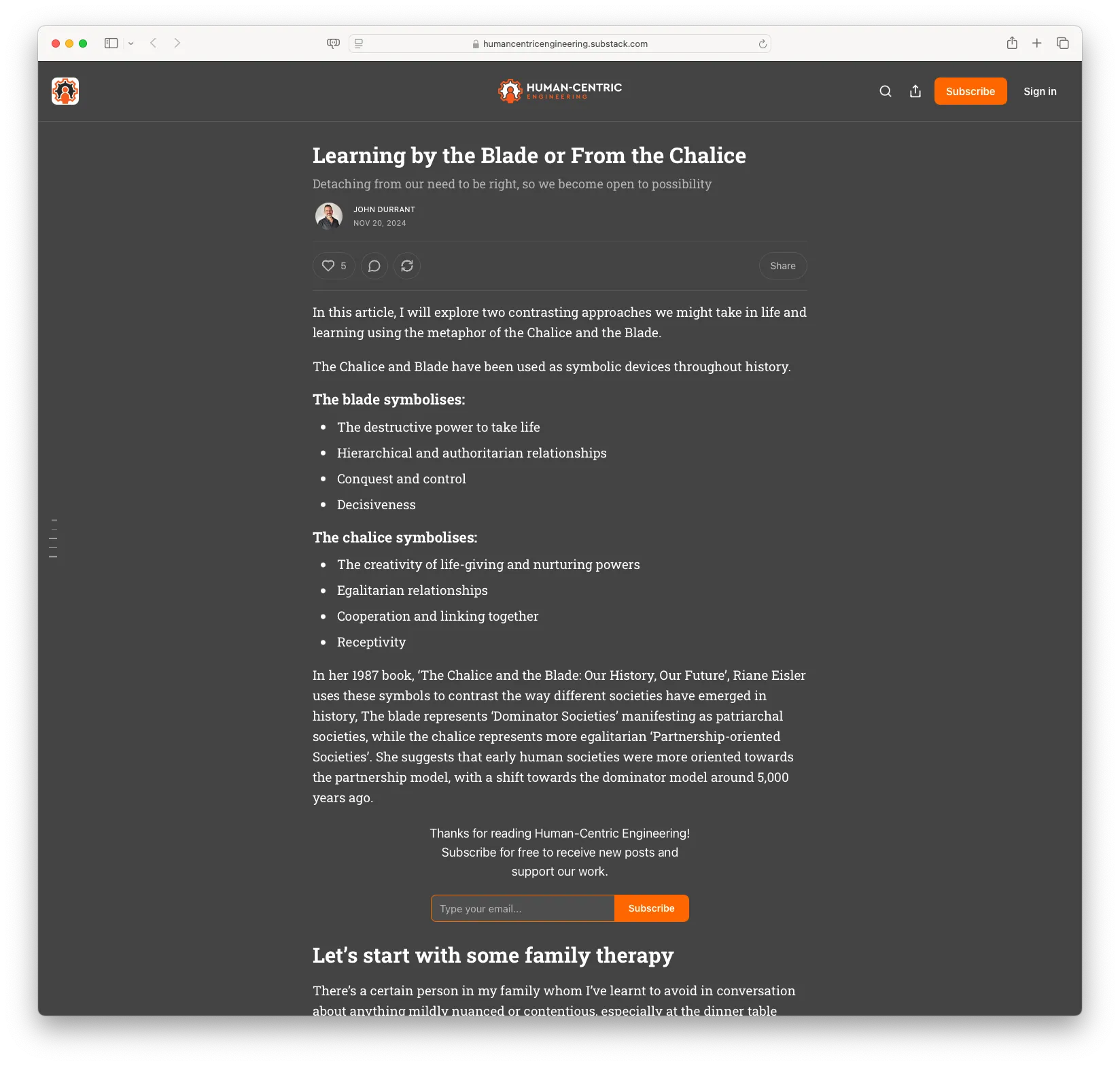
In this article, John Durrant explores the dichotomy between two symbols: the Blade and the Chalice, and how they reflect different approaches in life, communication, and learning. The Blade represents decisiveness and conquest, often associated with hierarchical systems and authoritarianism. In contrast, the Chalice symbolizes nurturing and cooperative relationships, suggesting a path of egalitarianism and receptivity. Durrant emphasizes the importance of situational discernment in applying these metaphors, advocating for a balance between the two for optimal interactions and understanding, especially in creative and learning environments.
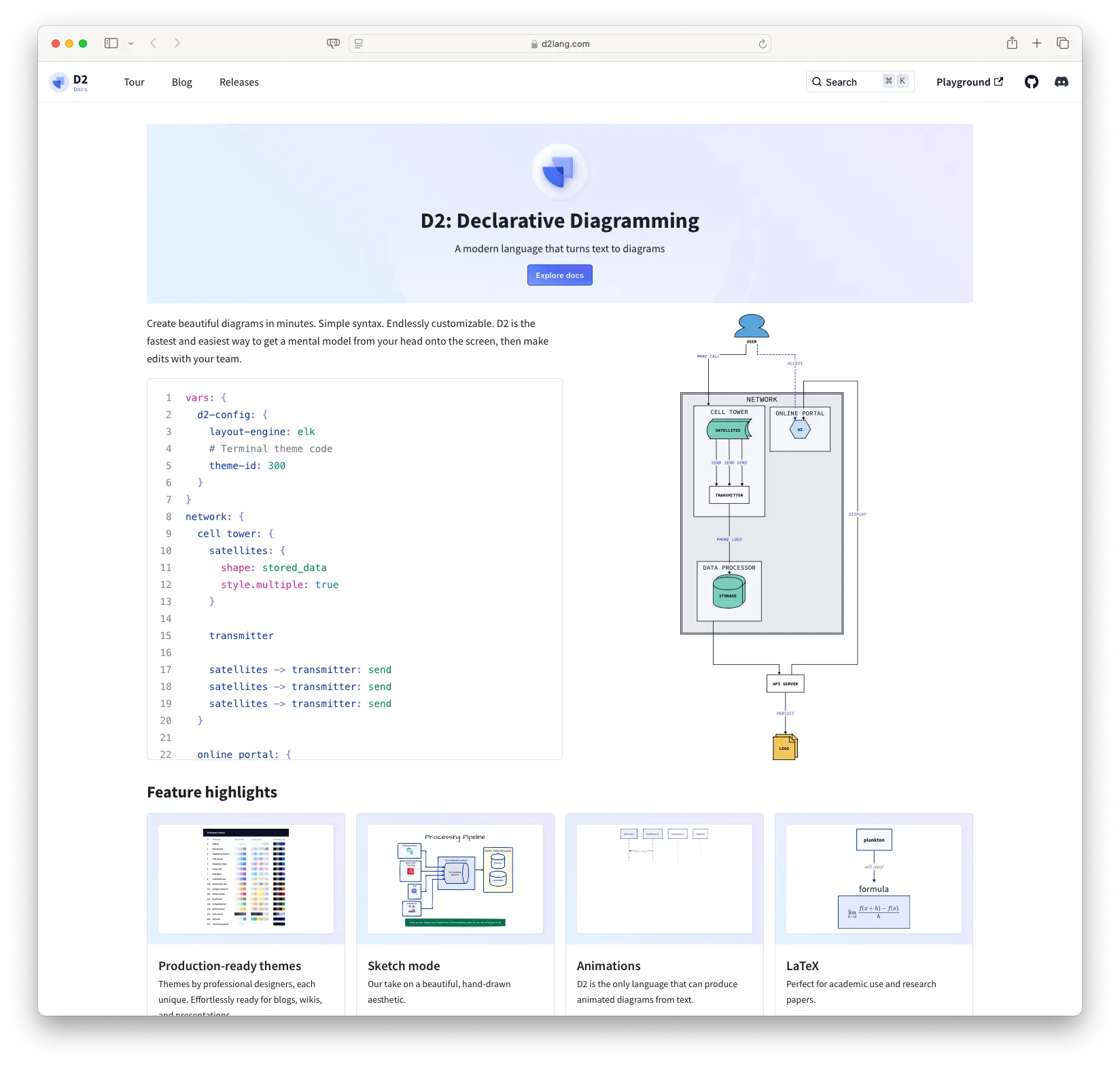
D2 is a modern language designed to convert text into customizable diagrams quickly and easily. It features production-ready themes, sketch mode, and unique potential for creating animated diagrams from text. D2 supports various languages and can be used offline with its robust CLI. Explore D2 through their online playground or delve deeper with their technical blog and join discussions on Discord.

The article discusses the importance and challenges of giving effective feedback. It points out common mistakes that people make, such as layering criticism between compliments, being vague, or waiting for the perfect moment, which often leads to ineffective communication. The article offers practical strategies for providing clear, specific, and constructive feedback that focuses on facts and facilitates improvement in a team setting.

The article delves into the challenges faced by fintech engineers, particularly when dealing with ledger systems. It highlights how overlooking technical debt in entry-level solutions can escalate to significant issues, as illustrated by a startup's experience with 'dancing cents'—minor discrepancies causing customer dissatisfaction. The piece advocates for double-entry accounting systems, emphasizing the importance of robust ledgers for tracking transactions accurately and ensuring customer trust. Drawing from various examples and expert insights, it serves as a guide for developing scalable and reliable financial systems.
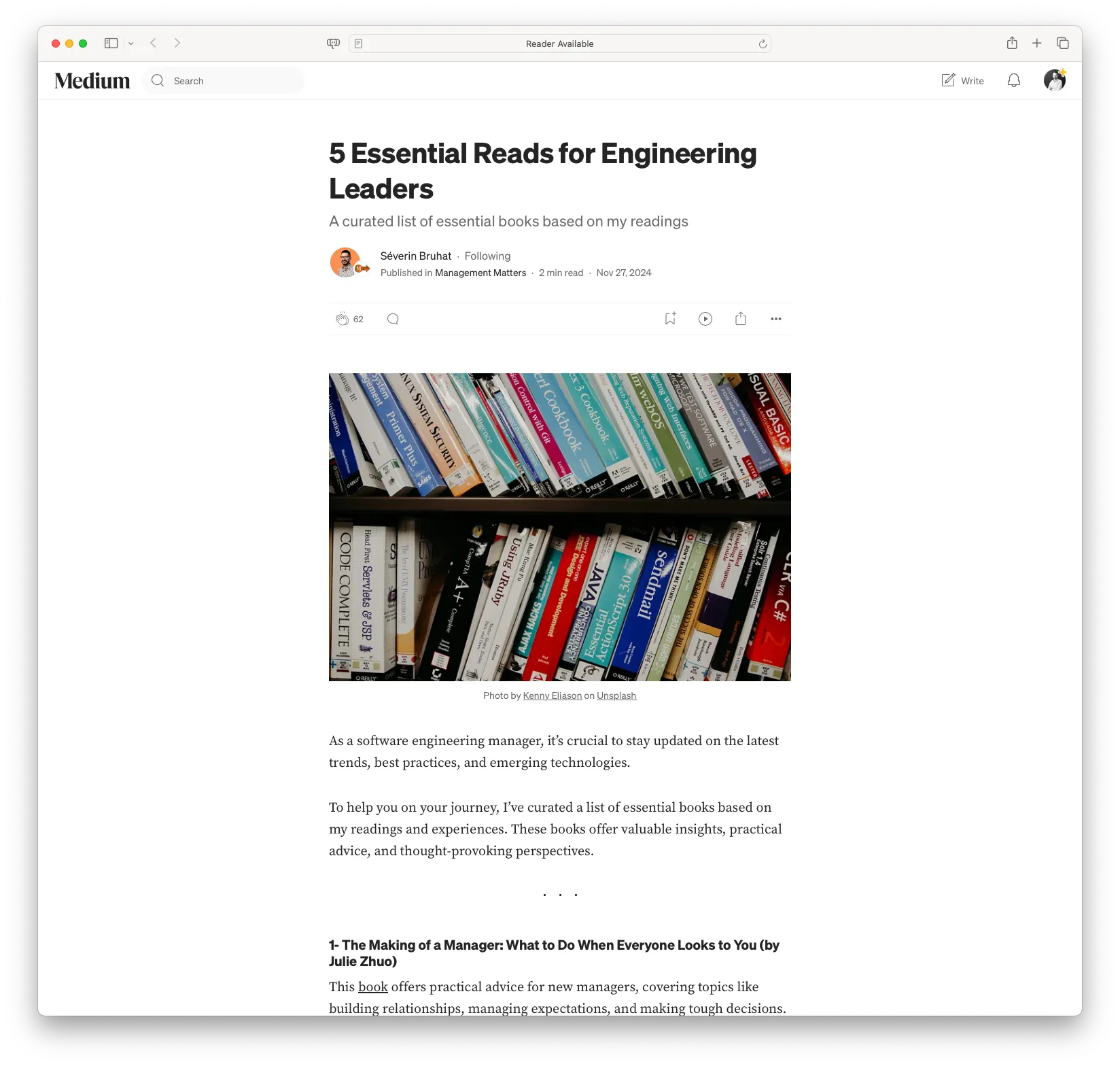
The article titled "5 Essential Reads for Engineering Leaders" by Séverin Bruhat provides a curated list of must-read books for software engineering managers. It discusses how these books can offer practical advice, valuable insights, and thought-provoking perspectives for aspiring and current leaders in the tech industry. The books covered include titles that focus on management, leadership, and improving team dynamics in competitive tech environments.
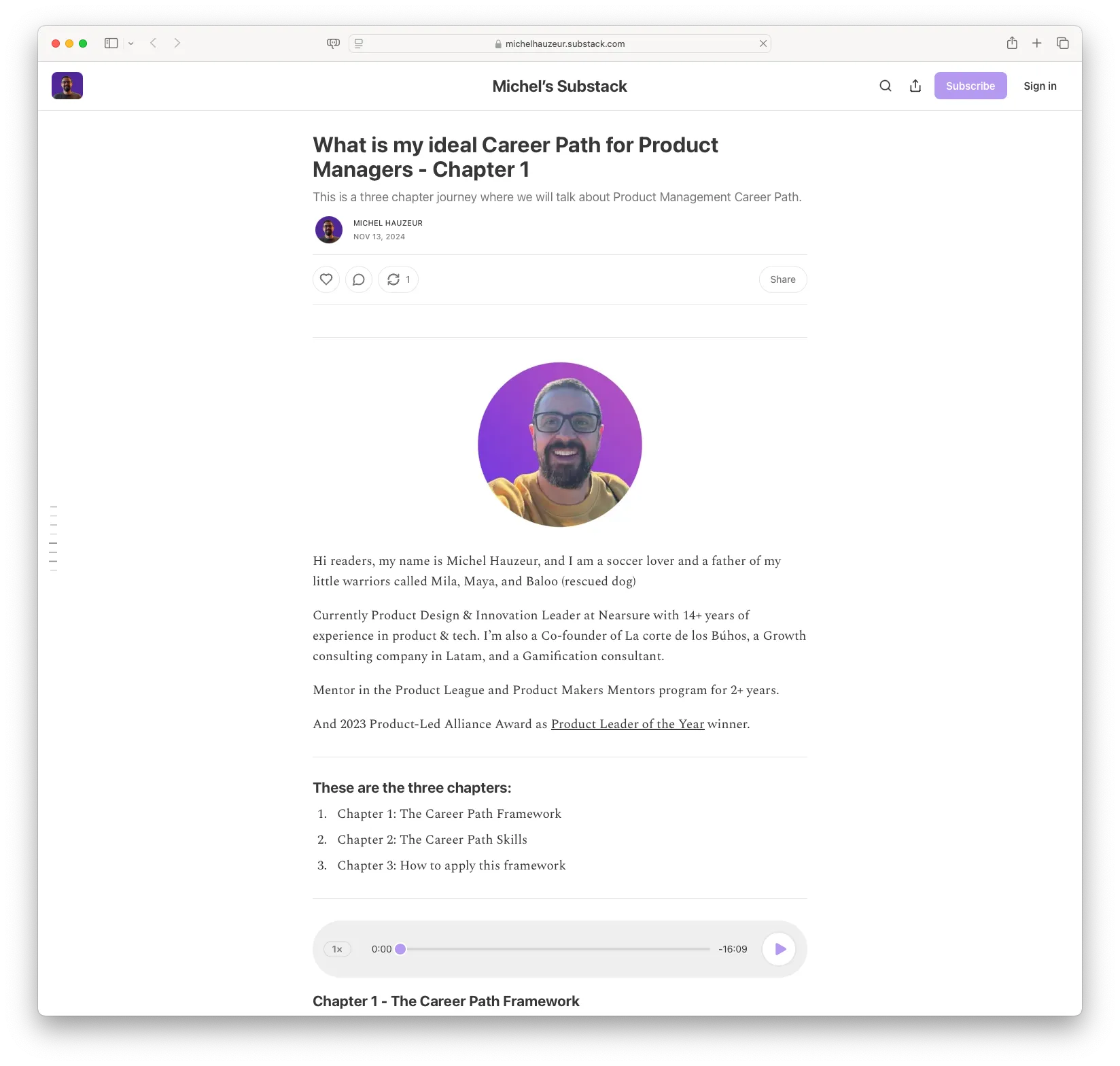
The article discusses the societal pressure on young individuals to determine their career paths early, highlighting that even at 33, the author is still exploring her professional identity. She emphasises the non-linear nature of careers and advocates for allowing young people the freedom to explore various interests without the constraint of early, definitive career decisions.

In this video, Matt Duesterberg from OhmConnect discusses what it means for a business to be venture-scale, a concept crucial for startups and investors. The discussion covers essential aspects that determine a company's suitability for venture funding, such as growth potential, scalability, and market impact. It's a valuable resource for entrepreneurs considering venture capital as a means to expand their business.

Erik Dietrich dives into effective delegation techniques as roles grow in organizations, highlighting the balance between accountability and task execution. He explores various styles of delegation, from executive down to individual contributors, and emphasizes the importance of accountability alongside task delegation. Dietrich also provides tips on avoiding micromanagement and shares self-assessment tools to improve delegation skills. He concludes with practical advice on fostering independence and creativity in teams while ensuring responsibilities are met.
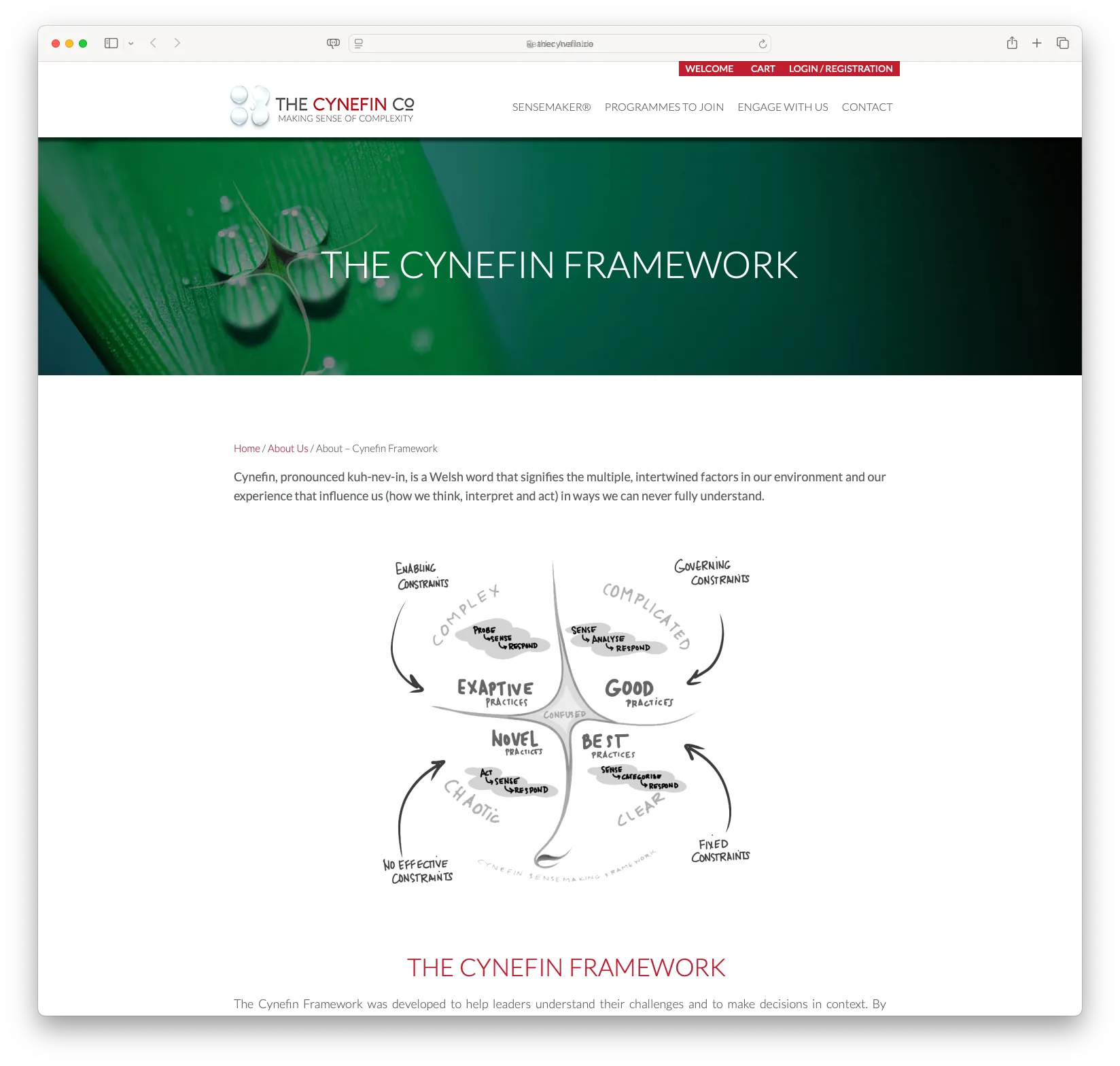
The Cynefin Framework is a tool developed to help leaders navigate complex and diverse environments effectively. It emphasizes the importance of recognizing different domains of operation and matching actions to reality through a process of sense-making. Widely applicable across sectors, from healthcare to counterterrorism, it assists leaders in distinguishing between complexity and routine, thereby optimizing decision-making and resource allocation.
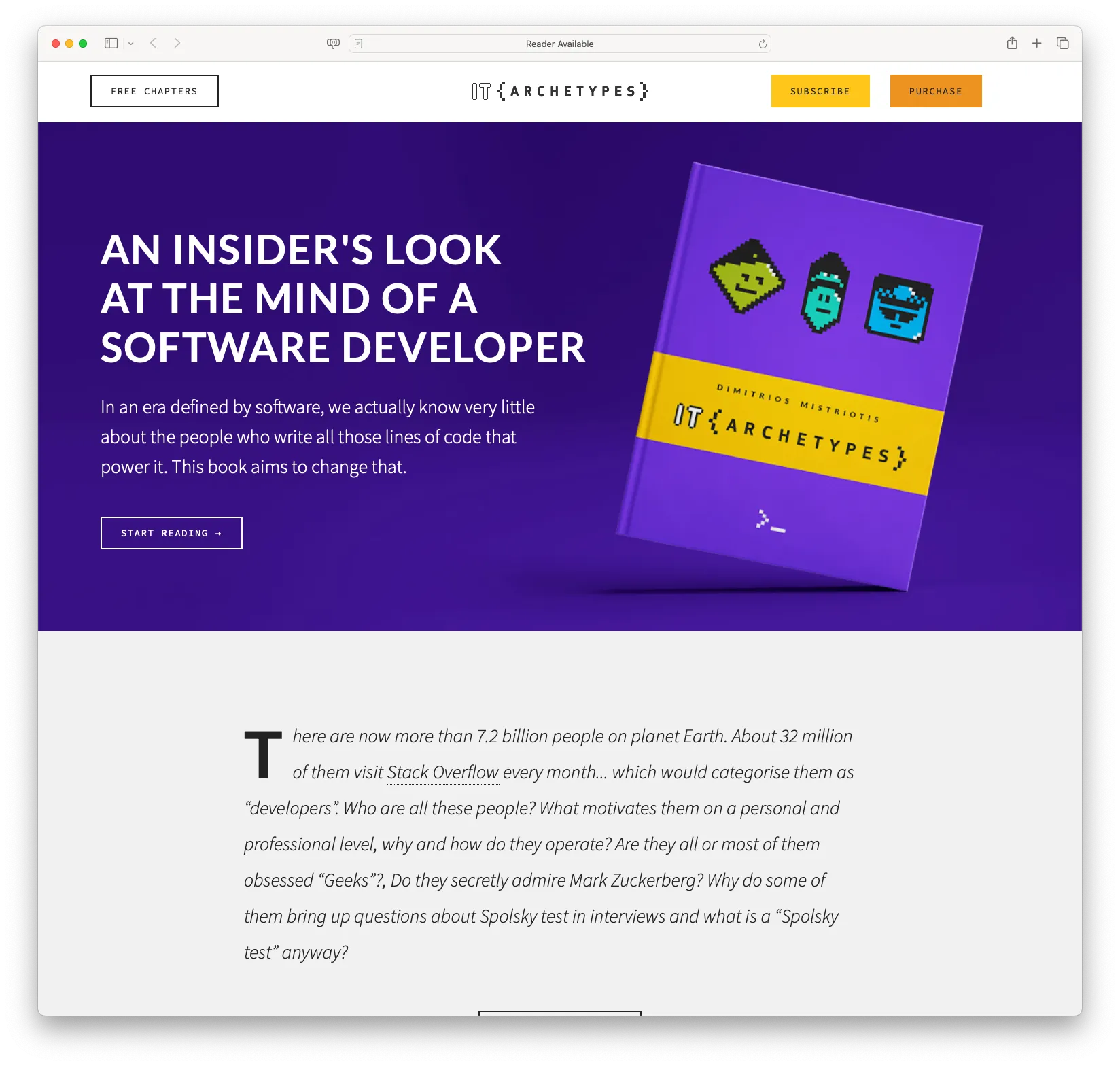
IT Archetypes offers an insider's perspective on the minds of software developers, exploring what drives these individuals who power much of today's technology. The book delves into the personal and professional motivations of developers, questioning whether they all fit the 'geek' stereotype and examining the tools and concepts they use. This book aims to shed light on the diverse personalities in the software industry.
Regards,
M@
[ED: If you'd like to sign up for this content as an email, click here to join the mailing list.]
Originally published on quantumfaxmachine.com and cross-posted on Medium.
hello@matthewsinclair.com | matthewsinclair.com | bsky.app/@matthewsinclair.com | masto.ai/@matthewsinclair | medium.com/@matthewsinclair | xitter/@matthewsinclair |
Was this useful?