
QFM051: Engineering Leadership Reading List - January 2025
 Source: Photo by Jon Tyson on Unsplash
This month’s Engineering Leadership Reading List kicks off by looking at AI’s role in engineering management. Phil Calçado’s deep dive examines back-end architecture for AI-driven products. The piece recounts the development of an AI-powered engineering assistant and the subsequent creation of Outropy, highlighting the technical and operational challenges of scaling AI systems while balancing user needs.
Despite the growth of AI, its limitations in team building are emphasised in Stack Overflow’s analysis. The article argues that while AI can generate code, it cannot replace the foundational learning and system understanding gained through junior engineering roles. Hiring junior developers remains critical for long-term sustainability and talent development in software organisations.
A shift away from traditional OKR frameworks is proposed in Jessitron’s critique. The article challenges rigid cascading OKRs, advocating instead for a model where teams articulate how their objectives contribute to broader strategic goals rather than simply aligning through hierarchical metrics.
A related organisational shift is highlighted in a study on Gen-Z professionals, which finds that many younger workers are avoiding middle management roles due to high stress and perceived lack of value. This reflects broader trends in companies like Meta that are streamlining management layers, prompting leaders to reconsider how management roles are structured.
Structural changes in engineering management also appear in an analysis of corporate downsizing. The piece explores how companies are reducing management layers to cut costs and increase agility, while balancing the risks of organisational inefficiency.
The concept of technical debt is examined from two angles. Aviv Ben-Yosef argues that the term is often misapplied, urging leaders to prioritise only necessary maintenance rather than chasing perfection. Meanwhile, an alternative perspective suggests that bad code is more like an unhedged call option than debt, carrying unpredictable risks that may result in costly rewrites if ignored.
For hiring managers, LeadDev’s guide outlines red flags to identify during interviews, both from the candidate and company perspective. A well-structured interview process benefits both parties, helping ensure alignment between expectations and company culture.
Steven Sinofsky’s reflection on failed engineering strategies explores why many appealing-sounding technical ideas—such as excessive modularity or forced API exposure—often backfire in practice. The piece serves as a cautionary guide to evaluating well-intentioned but impractical engineering decisions.
Lastly, individual career growth remains a key theme, with a discussion of reputation-building in large tech companies. The article explores how an engineer’s early successes shape long-term opportunities and why reputational momentum can be difficult to reverse.
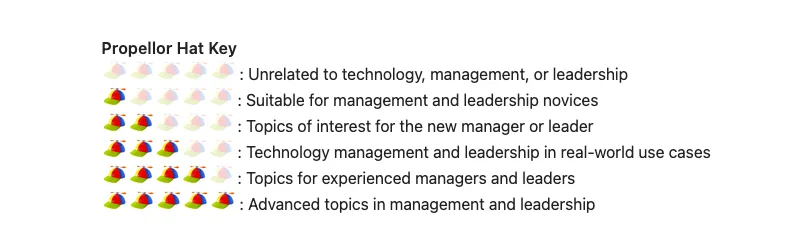
As always, the Quantum Fax Machine Propellor Hat Key will guide your browsing. Enjoy!
Links
In this essay, the author reflects on what it means to be human in an age where AI is becoming increasingly intelligent and commonplace. The notion is explored that human identity should not be anchored solely in our intellectual abilities, as AI begins to surpass humans in cognitive tasks. Instead, the focus should be on experiences, feelings, and human connections, elements that remain beyond the reach of technology.
In his blog post, Josh Comeau explores the anxiety among early-career developers regarding AI potentially rendering front-end development jobs obsolete. Despite growing concerns fueled by advancements such as GPT-4, he argues that developer roles are not disappearing. Instead, he emphasizes that while tools may change, the demand for web developers remains. Comeau recalls historical technologies like no-code tools which were also thought to threaten developers, yet highlights that developers are still crucial despite these. He suggests that AI will enhance, not replace, developer productivity, drawing parallels with how power tools have aided carpenters. The use of AI could even boost demand for developers as productivity increases, allowing companies to hire efficiently. Comeau encourages aspiring developers not to be discouraged by AI but to continue pursuing their passion.
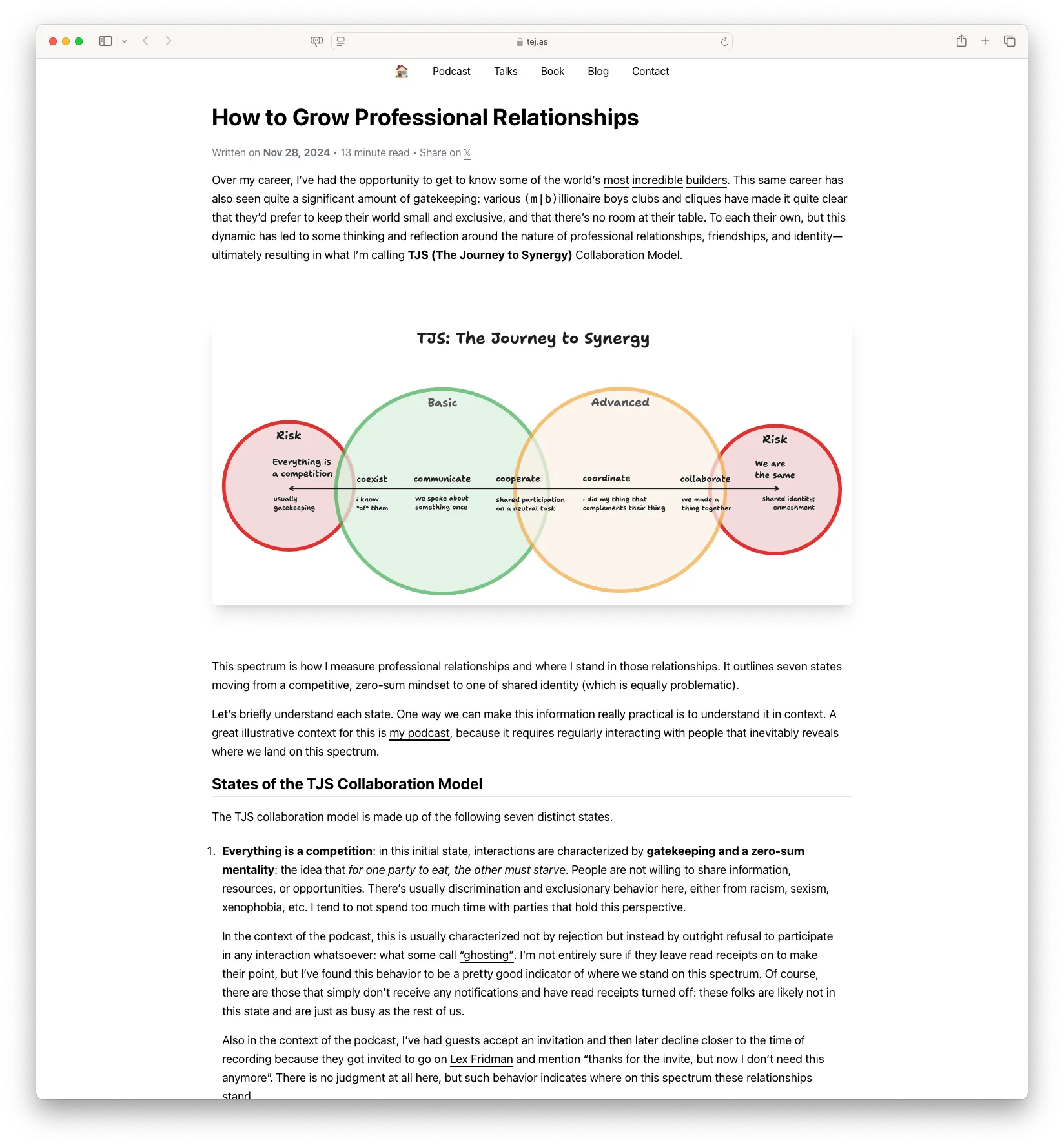
In this reflective article, Tejas Kumar shares insights from his career on cultivating professional relationships and introduces his TJS (The Journey to Synergy) Collaboration Model. The model outlines seven states that relationships can progress through, from competitive and exclusionary to synergetic collaborations, and warns of the risks of over-enmeshment. Offering practical advice, Kumar encourages readers to assess their relationships and take actionable steps towards more collaborative and synergetic connections, emphasizing the importance of an abundance mindset and shedding harmful or unproductive ties.

The U.S. job market has shifted from the optimistic phase of the 'Great Resignation' to a challenging period dubbed the 'Great Detachment'. Despite a low unemployment rate of 4.2%, many workers are experiencing difficulties in finding jobs, as evidenced by Dan Hevia's story of struggling to secure employment after submitting over 1,000 job applications without success. Factors such as low hiring rates, economic uncertainty, and waning satisfaction with employers contribute to this trend, reflecting a labor market increasingly favoring employers.
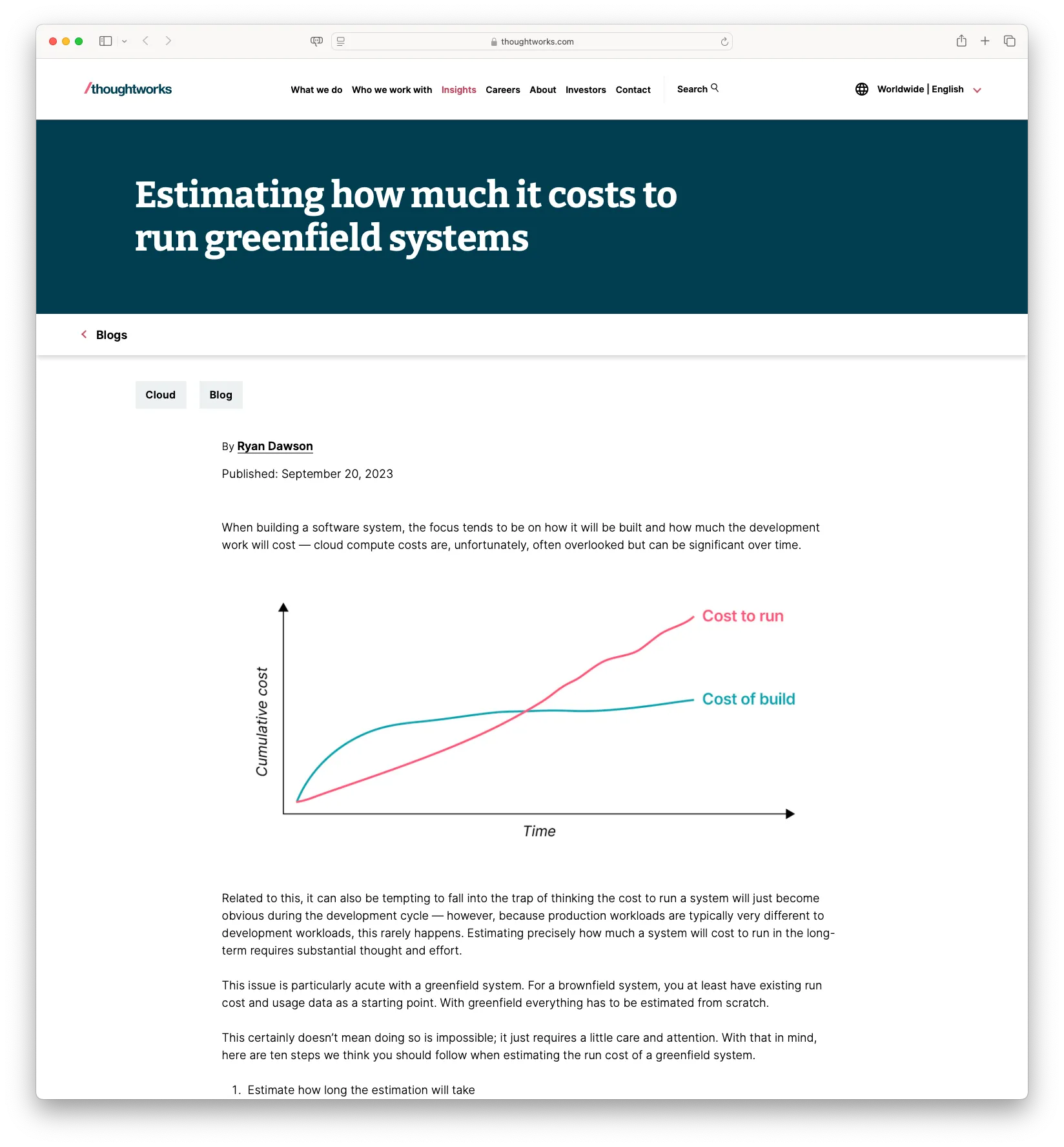
This article by Ryan Dawson focuses on the often-overlooked aspect of estimating the costs to run software systems in cloud environments, specifically greenfield systems where prior cost data is unavailable. The piece outlines the challenges of predicting production workloads, contrasting them to development loads, and the discrepancy in costs that can arise from this oversight. Dawson provides a ten-step process tailored for estimating these operational expenses, beginning with time estimation for the cost analysis and ending with revisiting estimates after considerations of deployment models.

Transitioning from an individual contributor to a manager can be challenging, especially in the tech industry. This article addresses common mistakes new managers make, such as the reluctance to delegate and the difficulty in finding new sources of fulfillment as managerial roles don't provide the same dopamine hits as shipping new products. The author shares personal lessons on effective team management, emphasizing empowerment, balanced engagement, and the importance of managing perceptions. The piece also warns against equating team growth with success and suggests focusing on quality over quantity. It advises new managers to redefine success by gauging team productivity and happiness, while also urging them to embrace mistakes as opportunities for growth in their management journey.

Issue #182 of Quiet Stories, curated by Kathryn and Adrian, covers a range of topics from developer problem-solving theories to the dynamics of cross-functional teams. Several engaging articles are highlighted, such as Cat Hicks' exploration of collective social learning in problem solving, and Mandy Brown's insights on the evolving nature of creativity. The issue also offers a selection of intriguing conference talks from DDD Europe 2024 and recommends upcoming online events in 2025.
In 'Egoless Engineering', Dan McKinley recounts his career in tech, sharing insights on collaboration and the pitfalls of ego and parochialism. He highlights the value of tearing down silos and empowering teams to work across traditional boundaries, fostering a culture of cooperation and mutual respect. The talk exemplifies how technical brilliance combined with humility can lead to more effective and harmonious engineering environments, avoiding the detrimental effects of hierarchical barriers and elitism.
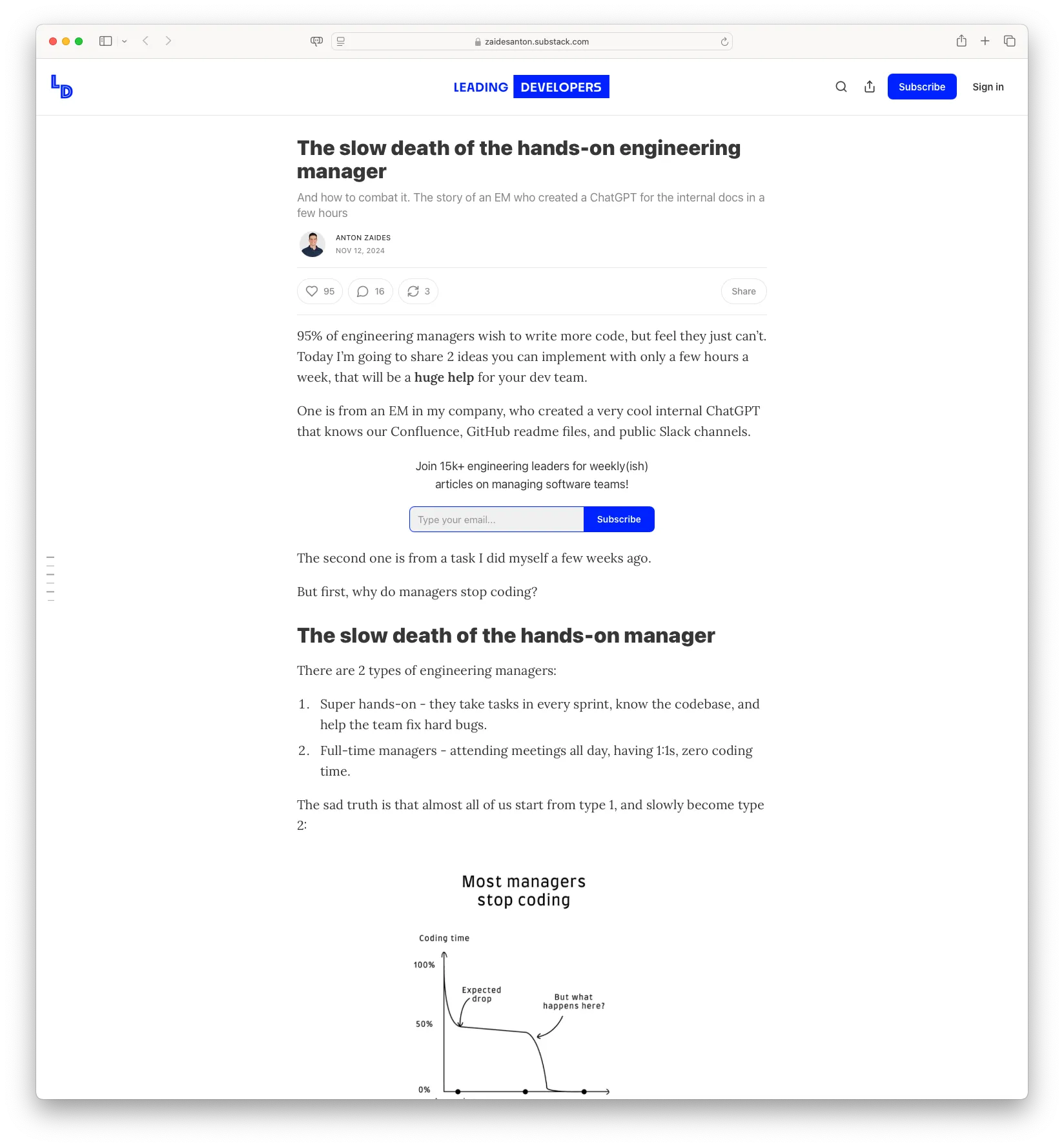
The article discusses how the role of the hands-on engineering manager is dwindling as they move into more managerial roles with less coding involvement. It highlights a case where an engineering manager created an internal AI chatbot to manage company documentation, showing that managers can still contribute technically by choosing specific beneficial projects. The piece encourages engineering managers to balance managerial duties with small technical tasks to maintain their coding skills and improve team efficiency.
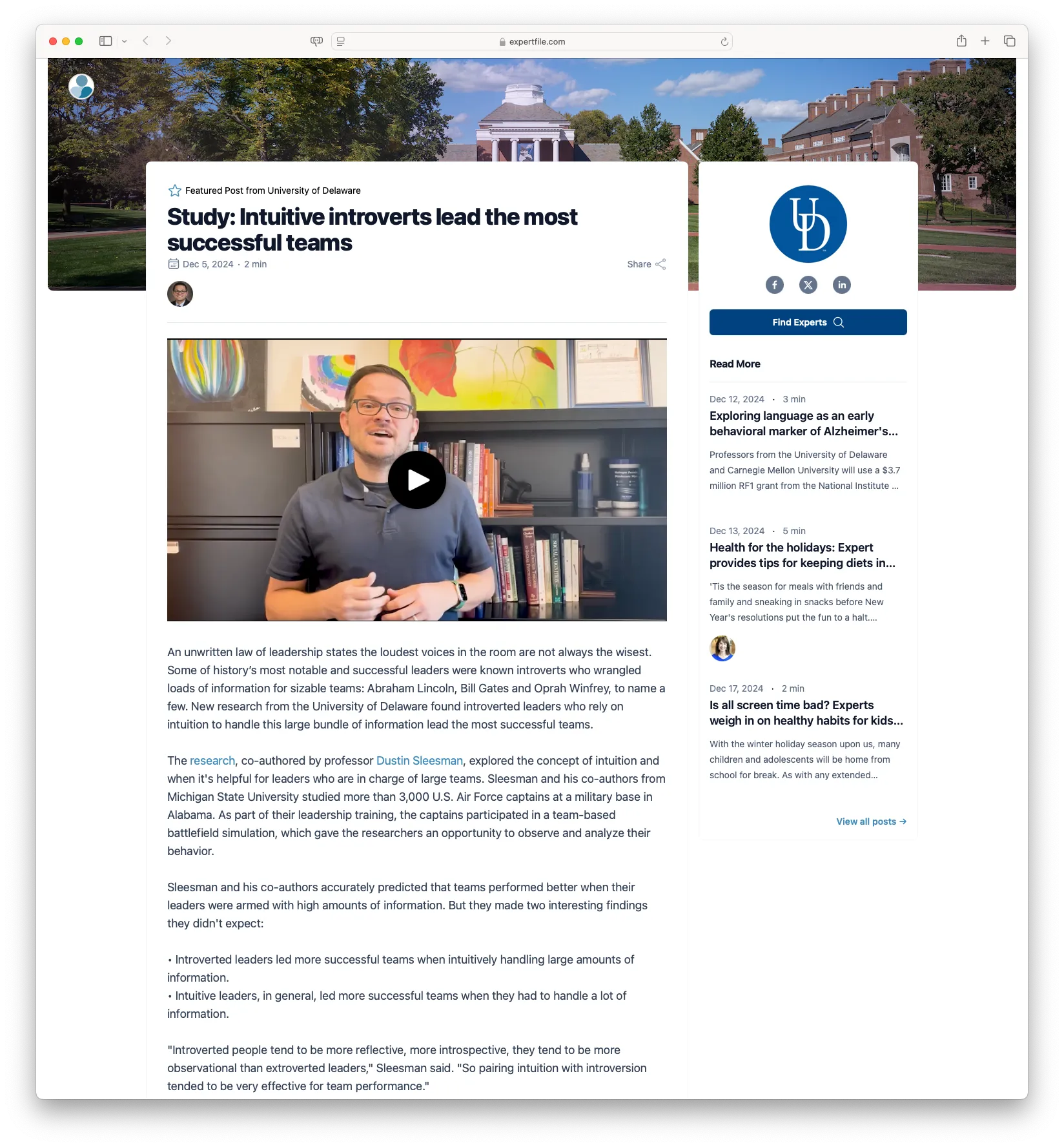
A study conducted by the University of Delaware reveals that introverted leaders who utilize intuition tend to lead more successful teams. The research, co-authored by Professor Dustin Sleesman and colleagues, observed over 3,000 U.S. Air Force captains in team-based simulations. The findings highlighted that teams performed better under introverted leaders adept in handling vast amounts of information, challenging the notion that extroverted leaders are more effective. This research provides insights into the importance of introspection and intuition in leadership effectiveness.
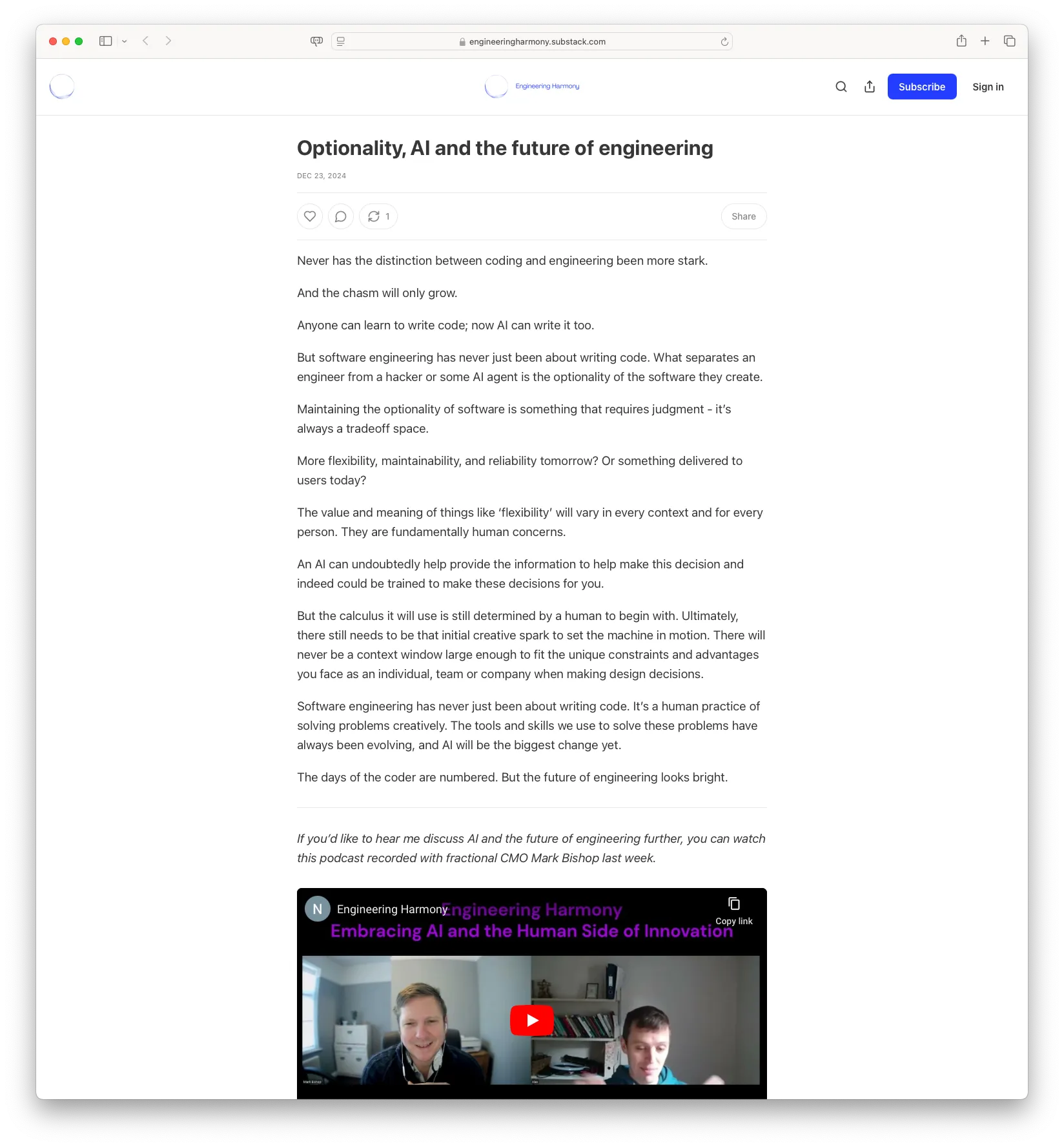
The article explores the evolving relationship between coding and software engineering in the age of AI. While anyone can learn and AI can write code, the true value of engineering lies in the optionality of software - balancing trade-offs like flexibility and reliability. The author emphasizes that while AI can assist in these decisions, the human element is irreplaceable. Software engineering remains a human-centric practice concerned with creatively solving problems, and AI is the next big evolution in tools. The future of engineering is promising, even though the role of the coder is changing and diminishing.
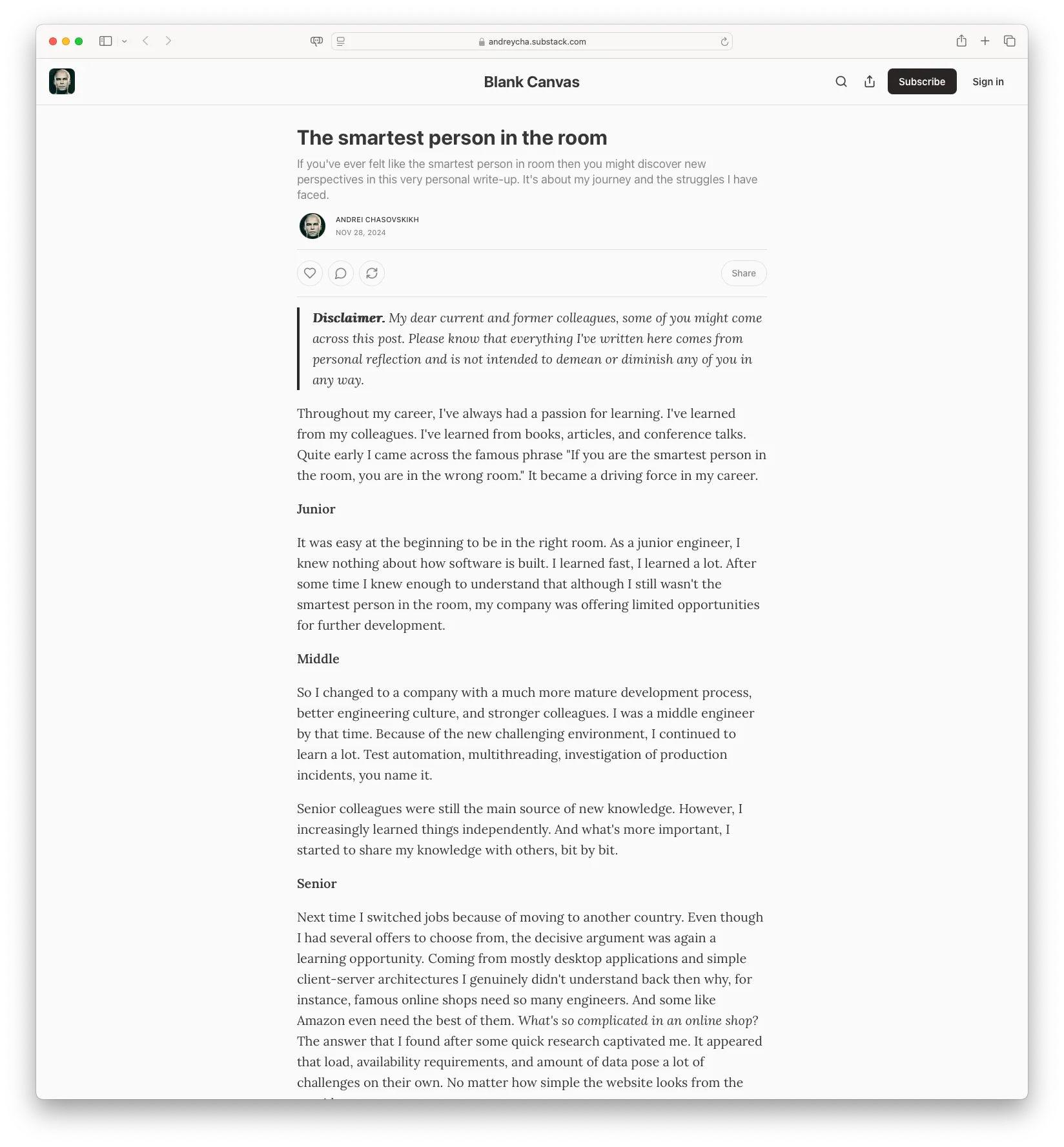
In this blog post, Andrei Chasovskikh shares his personal journey in the tech industry, reflecting on the phrase, "If you're the smartest person in the room, you're in the wrong room." He recounts his career stages from a junior engineer eager to learn, to a senior engineer exploring more complex environments, and ultimately becoming a tech lead responsible for guiding others. The narrative discusses the internal struggle of feeling like the smartest person and the realization that growth requires not only consuming knowledge but also sharing and mentoring others.
Regards,
M@
[ED: If you'd like to sign up for this content as an email, click here to join the mailing list.]
Originally published on quantumfaxmachine.com and cross-posted on Medium.
hello@matthewsinclair.com | matthewsinclair.com | bsky.app/@matthewsinclair.com | masto.ai/@matthewsinclair | medium.com/@matthewsinclair | xitter/@matthewsinclair |
Was this useful?