
QFM059: Engineering Leadership Reading List - March 2025
 Source: Photo by Mathias Jensen on Unsplash
This month's Engineering Leadership Reading List starts with a quiet dismantling of the '10x engineer' myth in In Praise of 'Normal' Engineers. This reframes engineering excellence as a function of team design rather than individual brilliance. The piece advocates for organisational environments that allow capable, consistent engineers to thrive-—echoing themes of structural support over star power found in The Product Engineer, where engineering and design talent are positioned as central to product decisions, often in tension with traditional PM-led models.
As engineering leadership increasingly intersects with organisational dynamics, Career Development: What It Really Means to be a Manager, Director, or VP cuts through the abstraction of title inflation and formal levelling systems. It instead grounds career growth in accountability and strategic execution. A similar realism runs through Career advice in 2025, which examines the uncertainty many leaders face in a tech landscape shaped by AI hype, funding constraints, and shifting talent markets.
The tension between AI capability and engineering identity features prominently across several pieces. The Software Engineering Identity Crisis and AI is Making Developers Dumb both ask what it means to be a software engineer in a world where large language models shoulder an increasing share of implementation detail. These concerns are not only about productivity but also about what knowledge should be retained, cultivated, or relinquished in a human-AI partnership.
The end of YC takes a longer view, exploring how AI tooling erodes the historic advantage of deeply technical founders, shifting the balance in favour of domain experts with strong product intuition. This democratisation of development also underpins the argument in The Rise of the GTM Engineer, where engineering talent is increasingly directed at commercial functions—embedding technical fluency directly into go-to-market operations, driven by automation and data.
Process and practice remain enduring concerns, with A blueprint for modern product development offering a structured approach for organisations seeking to scale product efforts without defaulting to rigid governance. The blueprint emphasises continuous discovery and pragmatic iteration—building discipline into flexibility. And in Stanford CS109 Probability for Computer Scientists Lecture, we're reminded that solid foundations—in this case, probability theory—still matter, even as higher-order tools abstract away many of the details.
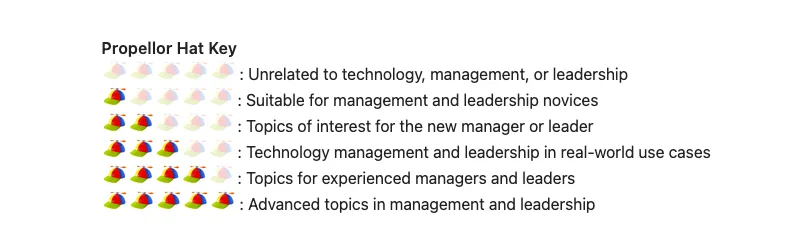
As always, the Quantum Fax Machine Propellor Hat Key will guide your browsing. Enjoy!
Links
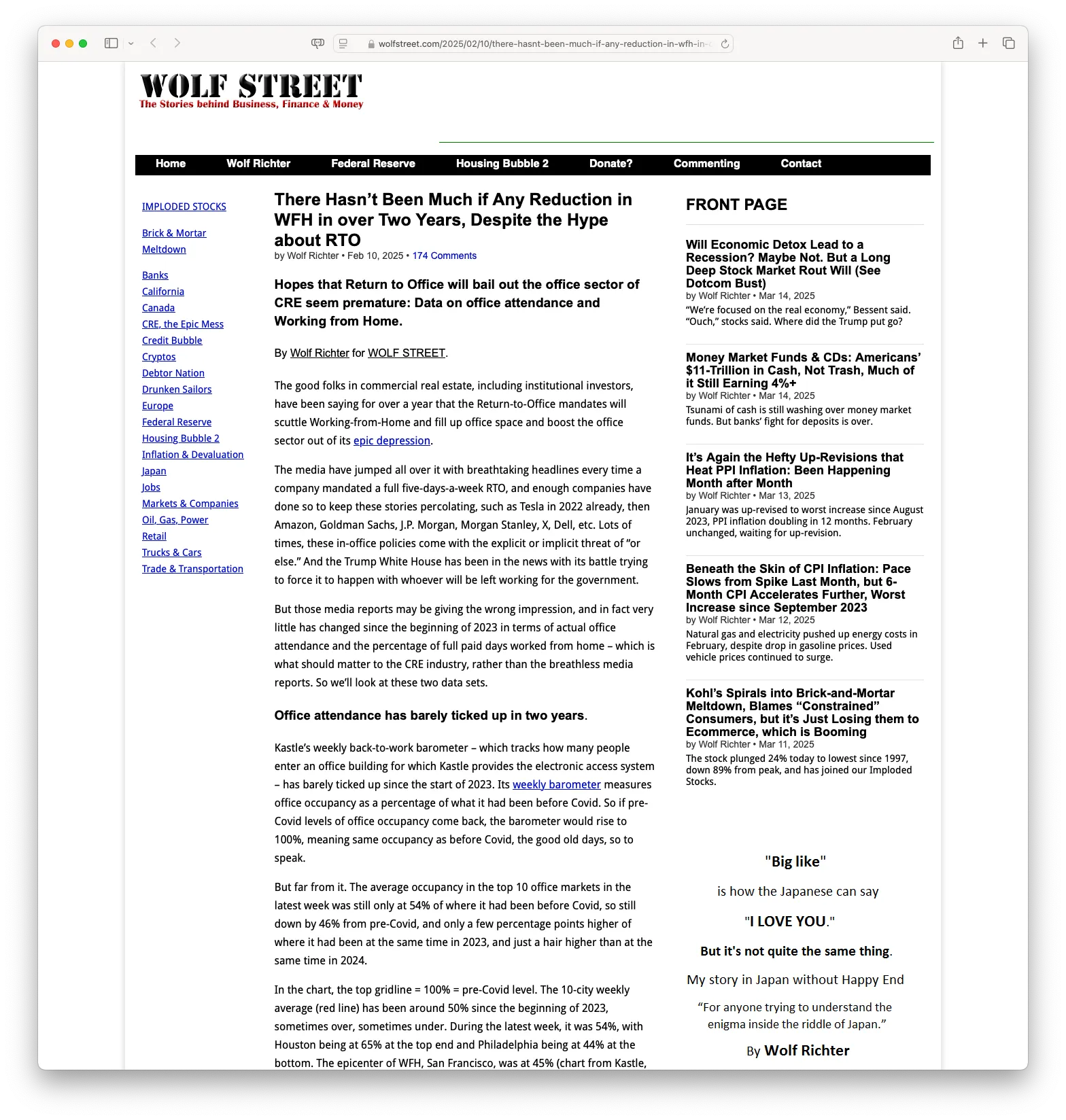
Despite extensive media coverage and company mandates pushing for Return-to-Office (RTO), the shift from Working-From-Home (WFH) policies has not significantly increased office attendance over the past two years. Data suggests that actual office occupancy remains relatively low, with Kastle’s back-to-work barometer indicating occupancy rates in major U.S. markets at only 54% of pre-Covid levels. Hybrid work arrangements remain prevalent, with companies like Google, Microsoft, and Adobe enforcing a few in-office days, while others like Nvidia and Airbnb maintain fully remote setups.
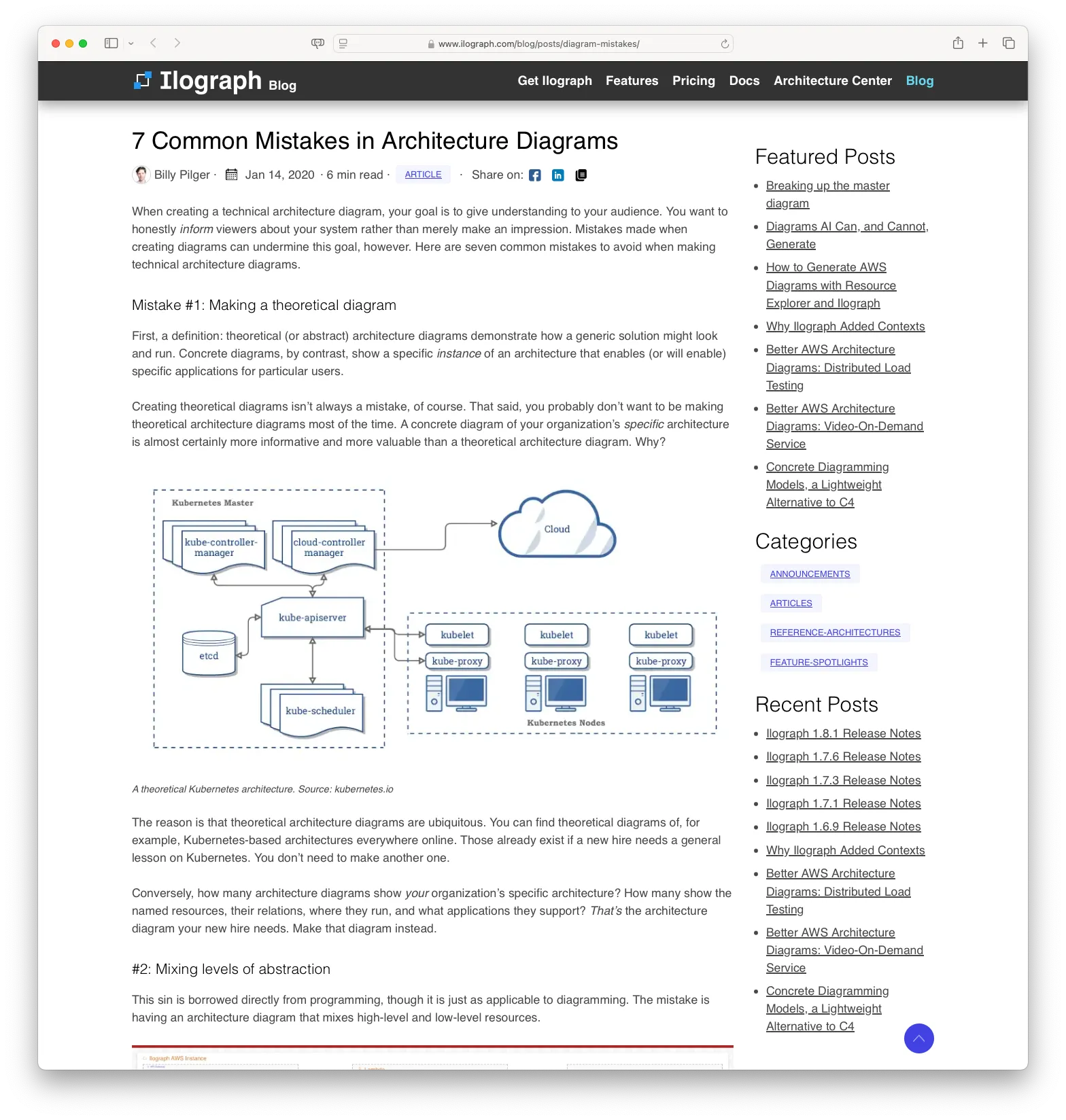
The Ilograph blog discusses the common pitfalls in creating technical architecture diagrams. It emphasizes the importance of concrete over theoretical diagrams, the dangers of mixing different abstraction levels, and the confusion caused by busyness and unlabeled arrows. The article advises avoiding misleading compositions, providing necessary context, and supplementing diagrams with explanatory text to ensure clarity and effective communication.
This article offers personal reflections and insights into the realities of leading technical teams. It stresses the importance of balancing technical objectives with understanding the human aspect of management. Through various case studies, the author highlights the complexities of integrating technology with team dynamics and the critical role of an Engineering Manager in fostering a supportive environment where engineers thrive.

In a shift against traditional corporate structures, the tech industry is leading efforts to downsize middle management in favor of more streamlined, cost-effective operations. Influential figures like Meta's Mark Zuckerberg and Shopify's Tobias Lütke advocate for flatter hierarchies, promoting efficiency and rapid decision-making. However, the move has sparked debates about potential negative impacts on employee well-being and work-life balance.
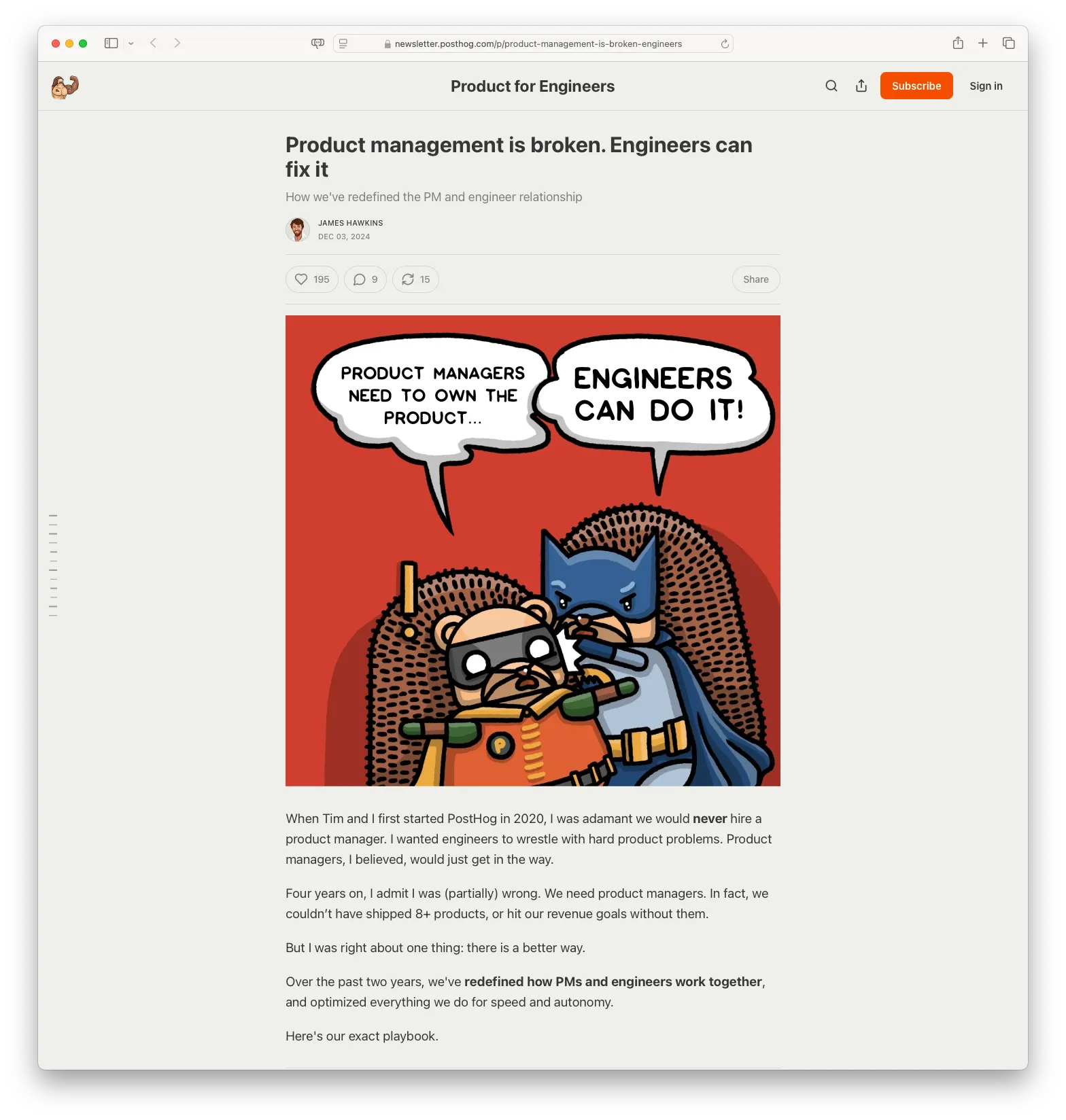
In the newsletter post by James Hawkins, he discusses the traditional dynamics between product managers (PMs) and engineers in product development settings, arguing that engineers should play a more central role in making product decisions. Initially resistant to hiring PMs at PostHog, Hawkins recounts how he observed engineers constructively influencing the product strategy when given autonomy and responsibility. The article suggests flipping the conventional workflow, allowing engineers to drive decisions and product directions, while PMs support by providing essential context and insights, fostering a culture of speed, innovation, and accountability.
Unlocking the Power of Hypothesis-Driven Consulting: How AI Makes the MBB Approach Accessible to All
The article explores how artificial intelligence is breaking traditional barriers in strategy consulting by making the hypothesis-driven methodology accessible to smaller firms. Historically reserved for major consultancies like McKinsey and Bain, this method involves structured problem-solving that AI tools like Hypothesis3 now simplify and democratize. With AI, firms of any size can attain the rigor and insight of larger consultancies, leveling the competitive playing field and elevating strategic impacts.
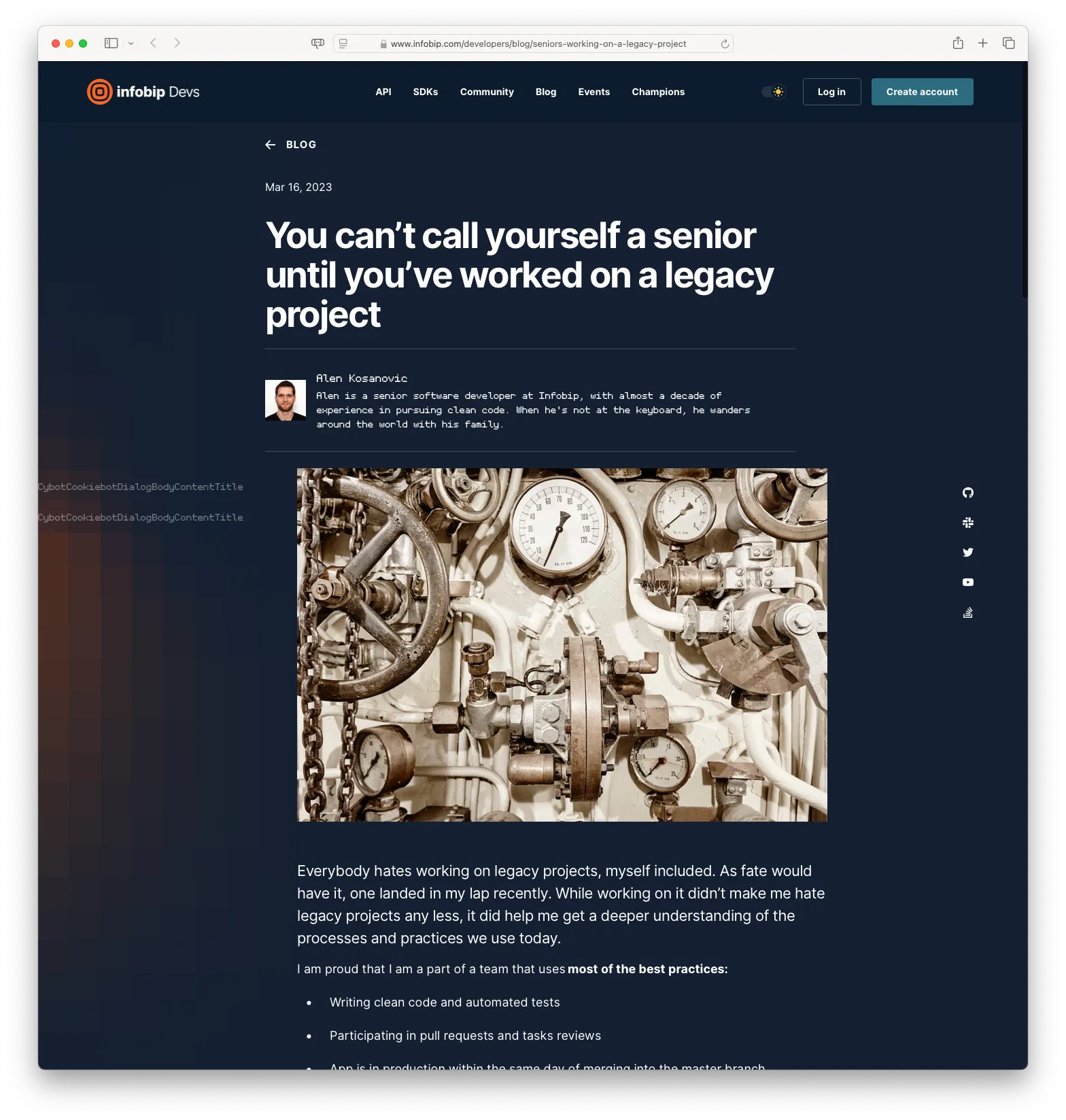
Alen Kosanovic, a senior developer at Infobip, discusses the challenges of working on legacy projects and how they can deepen understanding of modern practices. Through personal experience, he highlights the outdated methods used in older projects, including the use of Ant build files, and notes the lessons learned about dependency injection and the role of different teams in software development. He emphasizes that while legacy projects may be frustrating, they provide valuable insights into the evolution of current best practices and foster a deeper respect for historical coding processes.
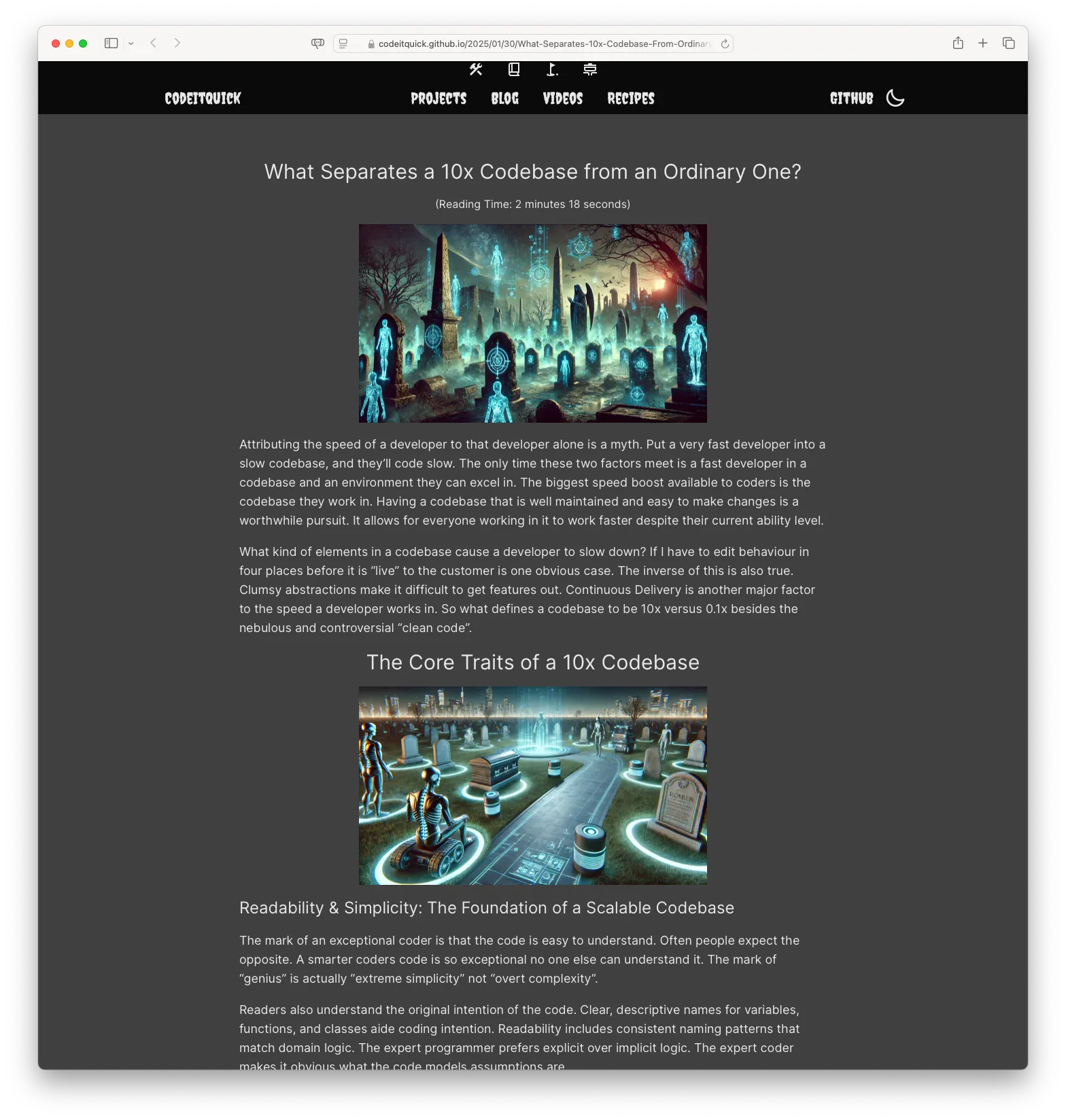
The article discusses the importance of a well-maintained and scalable codebase to enhance developer productivity. It highlights the myth that developer speed is solely due to individual skills and explores how elements like readability, simplicity, and maintainability contribute to a '10x' codebase. The piece argues against the '10x developer' hero complex, emphasizing that an excellent codebase allows all team members to excel rather than relying on individual 'heroes'.
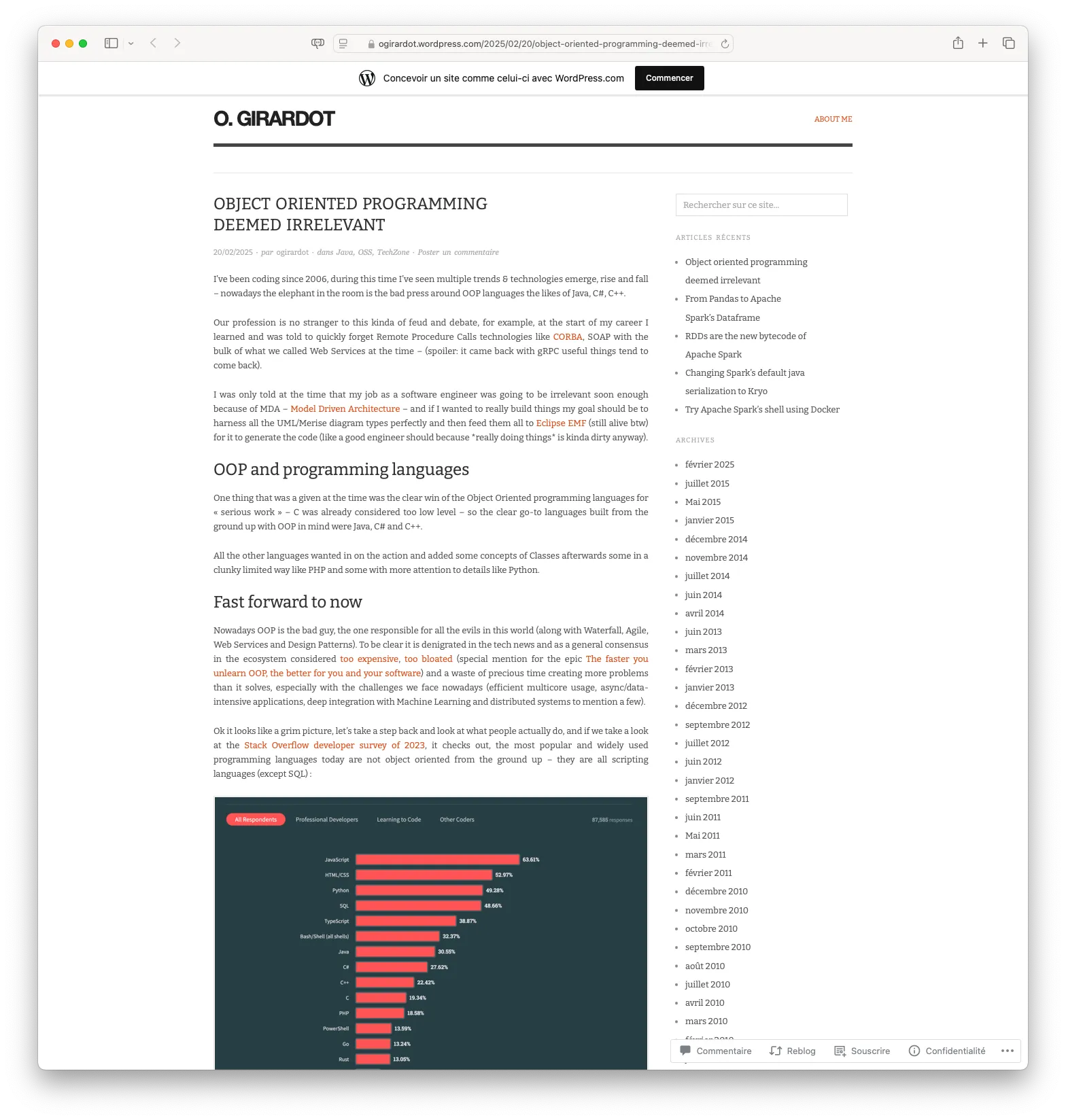
In "Object Oriented Programming Deemed Irrelevant," the author O. Girardot discusses the current trends and shifts in programming paradigms. Girardot highlights how object-oriented programming (OOP), once the dominant force in software development with languages like Java, C#, and C++, is now criticized for being overly complex and inefficient for modern needs. Despite this criticism, the principles of OOP such as abstraction and encapsulation still hold value and influence, even as many developers and bootcamps shift toward scripting and functional languages.
Regards,
M@
[ED: If you'd like to sign up for this content as an email, click here to join the mailing list.]
Originally published on quantumfaxmachine.com and cross-posted on Medium.
hello@matthewsinclair.com | matthewsinclair.com | bsky.app/@matthewsinclair.com | masto.ai/@matthewsinclair | medium.com/@matthewsinclair | xitter/@matthewsinclair |
Was this useful?